
The method, in one sentence
We pay a percentage of what your item is currently selling for on the used market, and we update those market figures weekly.
That is the whole basis. Everything below is just the adjustments applied on top of it.
Compared with the alternatives
We are not the only way to turn hardware into money, and these lay out the trade rather than the sales pitch.
- Selling privately versus a shop — a patient private sale beats us on price. What it costs you in time, effort and risk.
- Mail-in buyers versus selling locally — who is holding the hardware when the offer is revised.
- Trade-in programs versus cash buyers — why store credit and cash are not the same number.
The three things that move your quote
-
Market value
What the item actually sells for used, this week, not what it cost new.
-
Condition
Measured on the bench, not estimated from appearance. Storage health is read from the drive’s own SMART data; batteries are measured; graphics cards run under load.
-
Demand
Some parts move quickly and some sit. A part that sits ties up money, and the offer reflects that.
Why we do not open low and negotiate up
The standard practice in this trade is to quote below value, let the customer push back, meet in the middle and call it a deal. It is the default across the category and it is precisely why people expect to be ripped off walking in.
We give you a quote and explain how we got there. If it is lower than you hoped, the reason is stated plainly. If your item is not worth selling, we say so — even though that costs us the sale.
When the quote changes after you arrive
An online quote is an estimate confirmed at the bench. If the item is as described, that figure stands.
Quote online
An estimate, from your description.
Bench check
The item is tested in front of you.
As described
The figure stands.
Fault found
We show you first. The offer moves only by what the fault costs to fix.
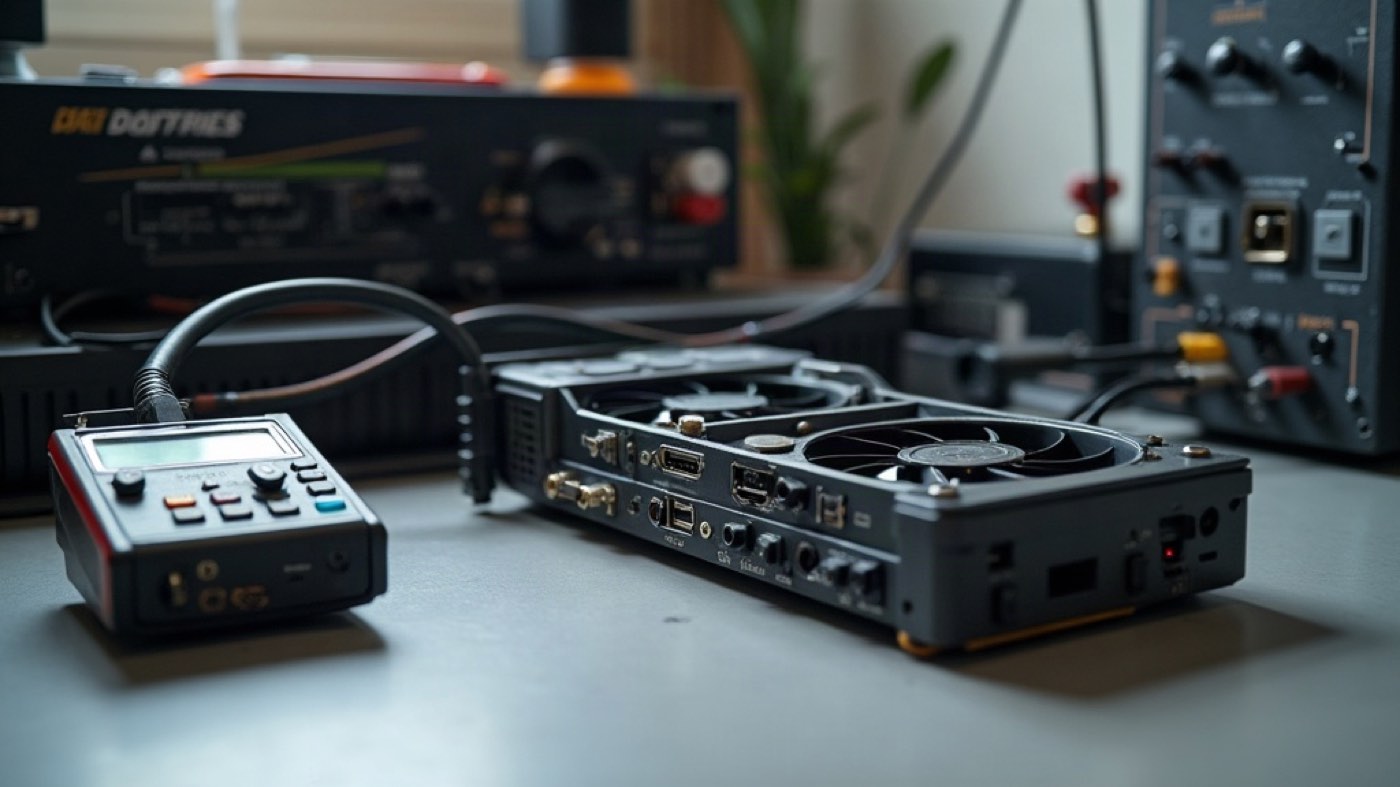
If the bench turns up a fault, the quote moves — but only by what the fault actually costs to put right, and we show you the fault first. A graphics card that passes diagnostics with a failing cooling fan is a real example: it is still worth buying, the offer just carries the cost of the replacement fan.
This is the one place we do the thing we criticise mail-in buyers for, so we want to be exact about it: they revise after inspection out of sight and email you a lower number. We show you the fault, on the bench sheet, before anything changes.
Things that do not change the price
-
The original box
Not required, and it does not raise the quote.
-
Mining history on a graphics card
We judge the card on the bench, not its biography.
-
Cosmetic wear
Scratches, dust and scuffs are normal on used hardware. Cracked screens and cracked glass panels are different.
Common questions
Will you match a price I was quoted somewhere else?
We will look at it, but we will not pretend to beat an offer we cannot make work. Our offer is a percentage of current used value and there is not a hidden margin above it that appears if you push. If somebody else is genuinely paying more, take their offer — we would rather you did that than feel worked over here.
Why is my offer lower than what the same item sells for on eBay?
Because we buy to resell. The gap between what we pay and what it sells for covers testing, warranty risk, the drive that never sells, and the fact that you get paid today instead of in six weeks. That gap is the business. Selling it yourself genuinely does pay more if you have the patience.
Do you pay more if I bring several items at once?
Not as a bulk discount in reverse, no. But a matched set — a motherboard with its CPU and memory, or a complete tested PC — is worth more together than the same parts loose, because a working platform sells better than spares.